In response to “People Are Killing Millions Of Fish Each Year Just To Stock Aquariums “It’s a revolving door of cruelty and destruction.”
There are many articles flying around, some good, some bad, normally the bad don’t last long. But there are a few brands that have traction just by being bigger, those voices are heard more than others. Normally I can ignore the worst, maybe making a sarcastic comment or two in the comments section. But this one “People Are Killing Millions of Fish Each Year Just to Stock Aquariums,” I felt deserved a more through reply. My voice isn’t as big as that of the Dodo’s, so instead I’ll have to rely on facts, and hope that the truth gives me a little more weight in this uneven battle.
The article seems in general to be well meaning, but there is a fundamental flaw, or flaws to be honest. Written by Elizabeth C Alberts a self described crazy cat lady, the article starts off bad, passes into made up numbers and continues into territory that harms conservation projects as a whole.
Before we dip our toe into the troubled waters of that article lets look at the state of fish collection today and what we mean by sustainable fish collecting.
Collecting Fish
I was about 6 years old when I first came across collecting fish for the aquarium. I was living for a few months in Barbados, and being on a yacht I got to watch the fishermen come out to gather their pots and nets each morning. Some were fishing for food to supply the restaurants along the shore, others were fishing for food for the local markets, but a few were setting their pots closer to the artificial reefs. These were inside a protected zone, and I’d snorkelled across those stunning ecosystems myself, and the fisherman didn’t go inside these zones, but they were fishing closer, and that got my attention. So much so that when on shore I would go and look in the boats, at the jewel like fish that the fishermen were working hard to keep safe and healthy. But they still had the time to tell me that these fish were special, that they were going to be sent on an airplane to become someones pet.
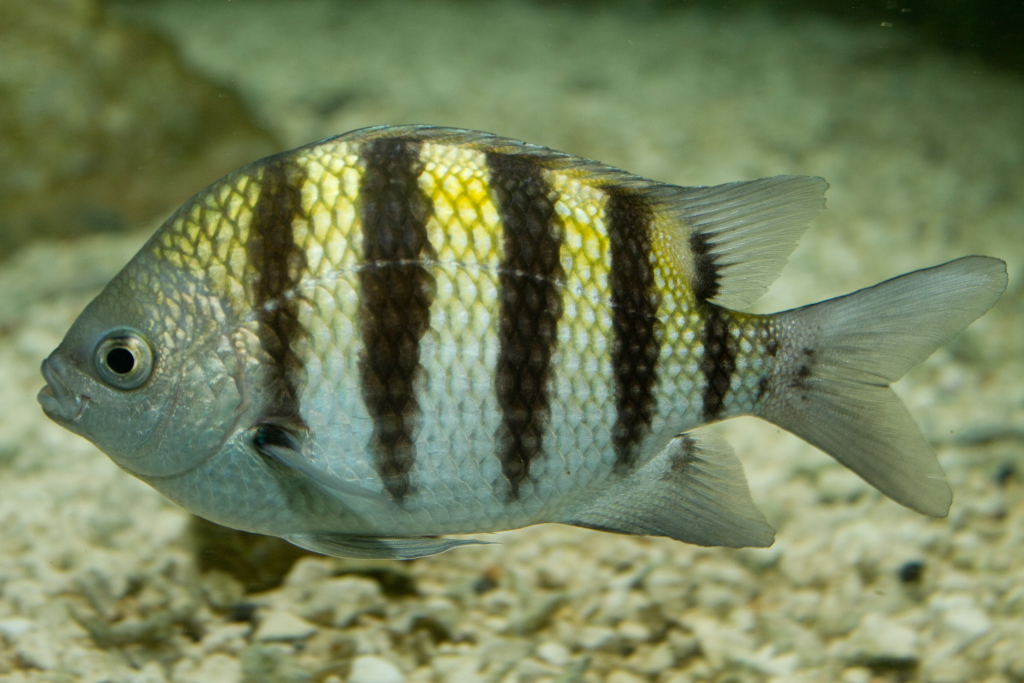
A few days later I was puzzled to see the same fishermen catching the same fish, but this time there was no care, there were knives and gutting and blood. Seemly there were only so many of these fish that could go on the airplanes and become someones pet, instead these were going to become food, they were’nt worth much, but they’d make breakfast at the least.
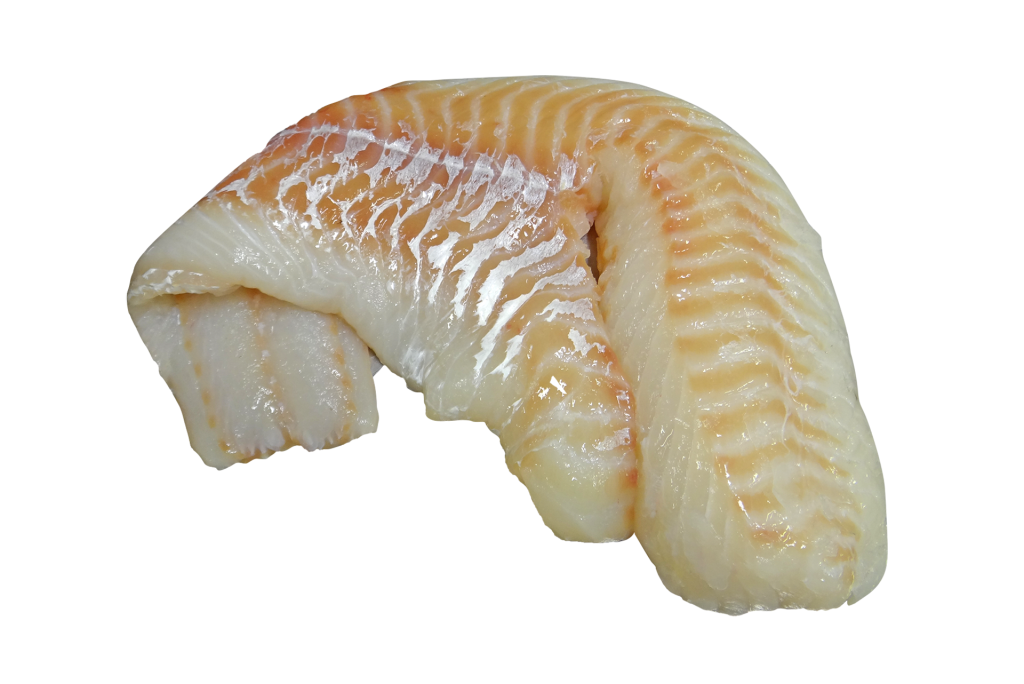
It’s been almost 3 decades since I first saw those pets becoming food, and to a six year old that makes no sense, today when I read that article it made me ask those same questions again.
Coral Reefs and Their Ecosystems.
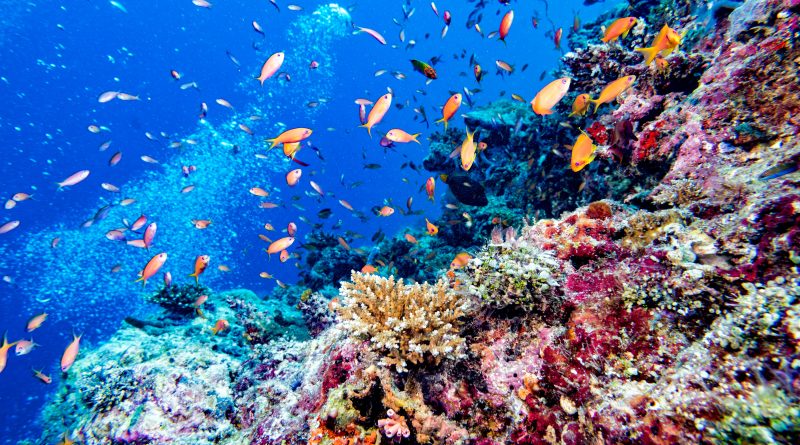
One view that fishkeeper and non-fishkeeper alike can agree on. Anthropogenic, man-made, effects on coral reefs and the ecosystems that they support are destroying the very basis of these natural paradises. Lately hardly a day goes by that we’re not being warned that the Great Barrier Reef is in terminal decline as the twin forces of global climate change and pollution from the land, push this wonder of the world to the brink of destruction. Whilst this is the most famous of the reefs there are many more out there under the same pressures, and once the coral dies the fish and other lifeforms are the first to suffer. Studies have shown that if more than 10% of the coral cover is destoryed 62% of fish species will see a decline in the next 3 years. Fish that do survive can be smaller, thinner, and often the entire diversity of fish species is heavily impacted. One third of all coral species are threatened with extinction due to global warming. The picture is not looking good for coral reefs, and they need all the help we can offer.
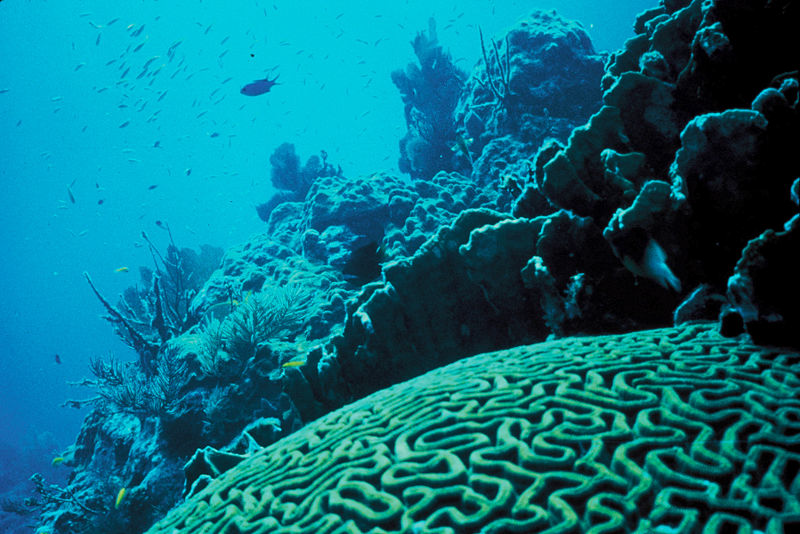
So what has this to do with fish keeping you might be wondering. Surely leaving the fish were they are will be more help for the ecosystems. Without them being collected for the aquariums these fish and corals will go on to live their lives as best as they can?
The United Nation Environment Programme- World Conservation Monitoring Centre report raises a few interesting points.
Very few of the species in trade are exploited directly for other purposes, and there is little doubt that aquarium animals are the highest value-added product that can be harvested from a coral reef. If managed sustainably, the trade could support jobs in predominantly rural, low-income coastal communities and so provide strong economic incentives for coral reef conservation in regions where other options for generating revenue are limited. However, damaging techniques occasionally used to collect the animals, possible over-harvesting of some species and the high levels of mortality associated with inadequate handling and transport of sensitive living organisms undermine this potential, and continue to pose significant challenges to achieving sustainability.
Published in 2003, in the 14 years since this report came out the trade in ornamental marine fish has changed, and for the better, but a few things remain the same. Collecting these fish as pets, destined to live out their lives in the aquarium is still the highest value added product that local people can harvest from their local ecosystems.
1 kg of live reef fish is worth around $500 to the local people who collect them. Thousands of people living on the coastlines of some of the worlds poorest nations make a liking from collecting reef fish. Without the aquarium trade these fish might still be collected, but instead they would be sold dead as food, getting around $6 per kg. It takes a lot more fish to make ends meet if your selling them dead to the food trade. Live rock is sold to the aquarium trade at between $2.20 and $4.40 per kg, the alternative is to be sold as rubble at less than $0.02 for the building trade.
The key question is how these fish are collected, and no-one is pretending that some of these desperate fishermen aren’t resorted to techniques that leave lasting damage to the reefs and the fish themselves. But the aquarium industry hasn’t thrown up their hands in defeat, or put profit over the welfare of the fish. A quick peruse of some of the websites of the commercial suppliers of marine fish will see that a key concern for those supplying marine fish are that they are ethically sourced. Given that aquarium owners are prepared to pay a premium for healthy fish this information is filtering down to the suppliers, who then enforce this on the fisherman. Given that the test for cyanide is now more readily available it is in the hands of the fish keeper to demand ethically sourced fish. Most UK fish keepers are aware of this sort of issue, and the issue is being addressed from the home tank through to the dealers warehouses. The issue lies not within the UK hobby, in fact the main issue is in the Hong Kong restaurants. Unlike us fish keepers who fight to keep our charges healthy and content, the person selecting a live fish for their plate doesn’t care if the fish lives another ten years,
Even the people in the far flung countries that export our new companions are starting to tackle the problem at it’s roots. The Philippines has projects that involve working with the fishermen to introduce new was to catch the fish. What’s needed is more education, not instant condemnation.
Barotrauma, where a fish is brought rapidly to the surface is discussed. In Ms. Alberts article these fish are hauled to the surface, leaving them writhing in agony as their swim bladders explode. They are fizzed in her reporting, a process were a needle is inserted into the swim bladder causing irreparable damage. Common sense tells you that a damaged fish isn’t going to sell at a premium price, and no aquarist is going to buy a damaged fish and spend thousands on vet bills to make it healthy when a healthy animal is available. Fizzing is a practise used by sport fishermen, and studies have shown it does little or no damage to the fish in question, mean while if deeper fish are to be caught for the aquarium trade they are brought to the surface slowly to preserve the price of these animals.
“98% of tropical fish in the aquarium are caught from the wild.”
Really, would you like to use any data to back that up? Was that number pluckedf out of thin air, because it has no relationship to fact. One of the most commonly kept tropical fish are the common guppy, and they are the most boring wild caught fish you’ve ever seen. Almost 100% of guppys are captive bred, like wise mollys, and most of the brightly coloured fish that live out their lives in a freshwater aquarium. Whilst there are an estimated 2 million marine aquaria worldwide that number is dwarfed by the freshwater aquariums. In the UK alone its estimated that at least 1 in 10 households have a fish tank, most of those being freshwater. Most freshwater fish are captive bred, a topic we’ll look at further in a moment, and since most tropical fish in aquariums are freshwater, where does this 98% come from? It doesn’t even hold up for the modern marine trade, so was this a guess? An attempt to discredit an industry that the authour decided she didn’t like? Who knows, it’s a quote from a well known and often discredited animal rights organisation. Does that make lying okay now?
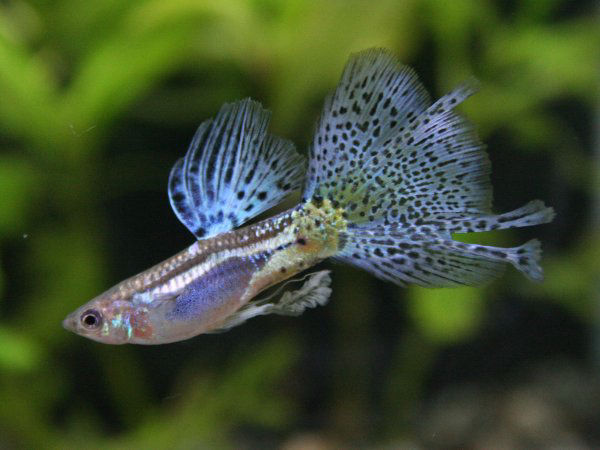
Some freshwater fish are also wild caught, and many of these projects help local people preserve their environment. Project Piaba’s catch phrase is ‘Buy a Fish, Save a Tree.’ There are projects to reintroduce ornamental fish to their native ranges where climate change and over fishing for food as well as past pollution incidents have wiped them from the rivers they once called home. These projects work on the idea that local families with little or no income can raise these native fish in tributaries of rivers, loosely containing them with nets. Escapees will help the local biodiversity, the breeding populations will help with mosquito control and other pests, and the exported fish will provide an income for families and other local businesses.
In the Amazon the process of exporting fish is now well eastablished, however tless fish have been exported of late, and there has been an increase in agriculture, destroying the rainforest that the entire planet relies on. Many peopl prefer captive bred aquarium fish, in part because of the demonisation of people like thos ein the video. People harvesting young arowana and protecting the adults the rest of the year.
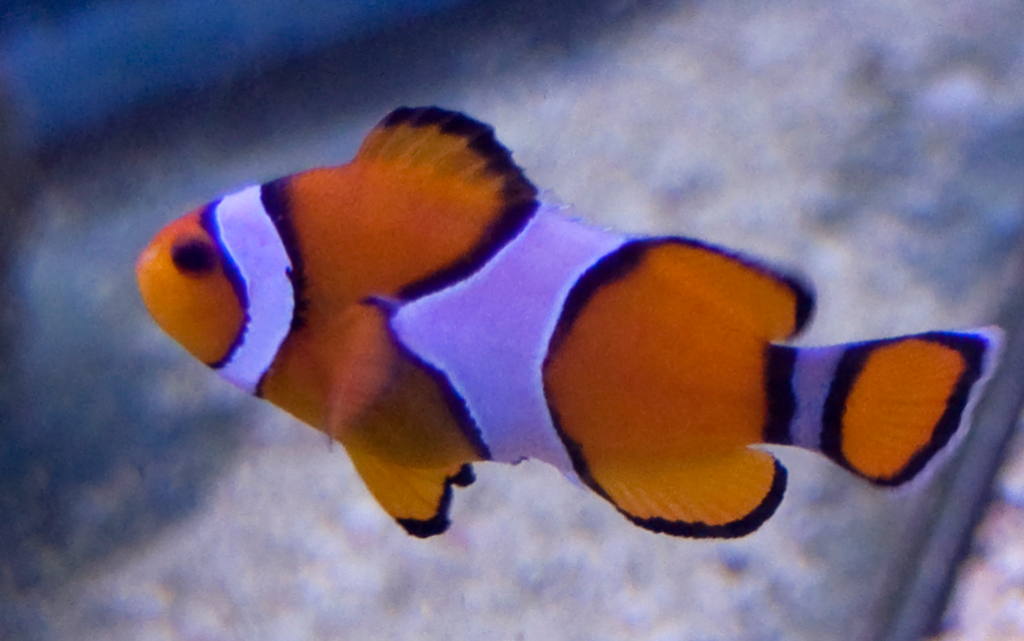
Sadly the world out there isn’t great for fish, habitat destruction means that many species are extinct or on the verge of extinction. Dams are being built to supply water and electricity, but these destroy the habitats that these specialist fish need to survive. The Red Tailed Black Shark, survives in just a couple of tiny populations in the wild. Yet is available to any home aquarist who wants one thanks to huge captive breeding farms. Over fishing for the hobby was attempted to be blamed, but research has shown that habitat destruction is to blame. Clown fish in the marine tank, famous as the star of the film Finding Nemo, the anameos they use to live in are at risk of extinction due to climate change, and so the clown fish them selves stand on the brink. In captive populations these little fish thrive, and breed. Dams in Brazil have lead to the lose of species, yet many of those species are preserved in aquarist’s tanks up and down the country.
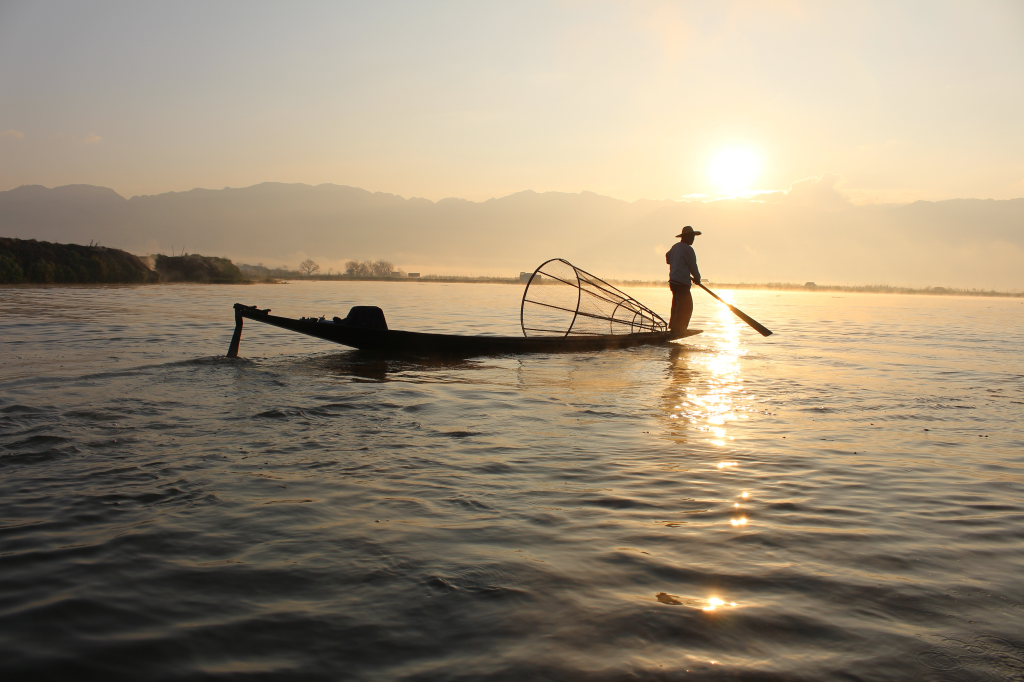
Marine fish collected for the aquarium trade represent around 0.0001% of marine fish collected annually. Around 70 tonnes of marine aquarium fish are collected and transported alive for tanks. Compare that to up 33 million tons of marine fish that is discarded by fisherman as unwanted by catch. Sustainable aquaculture provides jobs and gives local populations a reason to preserve the ecosystem in a way that’s best for the environment.
There are deaths, but in the sustainable supply chain that UK and many US consumers demand it is far lower than the millions recorded in the original article. An estimated 10% of the stocks that are shipped to the UK die, and every effort is being made to reduce that to 0. But the statement that 100% mortality, whilst technically true, even human beings with our advanced medicine have 100% mortality, is miss leading and damages conservation efforts worldwide. Kitten farms are cruel and horrible, and yet there is no call to ban cat ownership because of a cruel minority that are breaking the law. So to brands like the Dodo, work with us, work with those of us that love our animals, that work hard to educate those that might not think to ask the important questions at the fish shop, that make sure some of our money goes into helping ecosystems and the environment. We love our pets, even if they’re not fluffy and cuddly. Don’t paint us as the demons to your superhero. The truth is a lot more interesting.
