Education Over Pet Bans
A Joint Manifesto for Better Pet Keeping
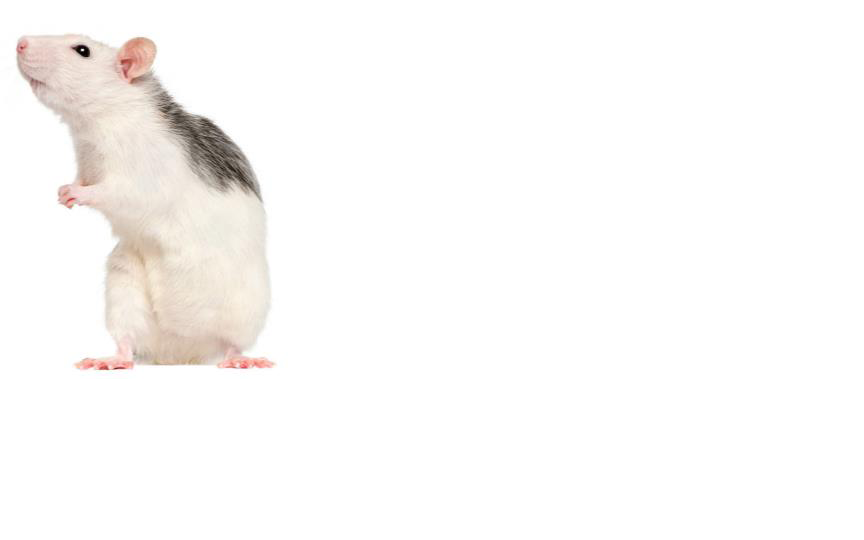
We are a coalition of keeper groups and trade associations which represent the people who keep a wide range of pets and animals, such as reptiles, amphibians, fish, aviary birds (eg canaries, budgerigars, finches), psittacines (eg parrots), rodents and other small mammals, and raptors (eg hawks).


Pets are an essential part of UK homes. They’re part of the family. We name them. We cherish them. They are our companions. While dogs and cats may spring to mind first when we think of pets there’s actually
a broad range of animals that happily share our homes.
Pet numbers
In the UK there are:
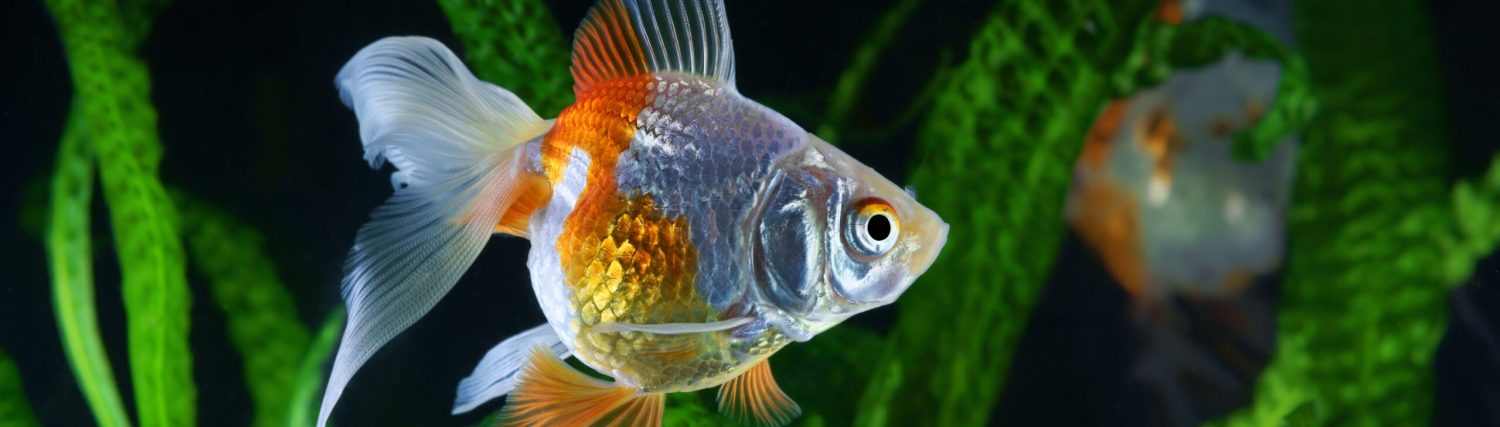
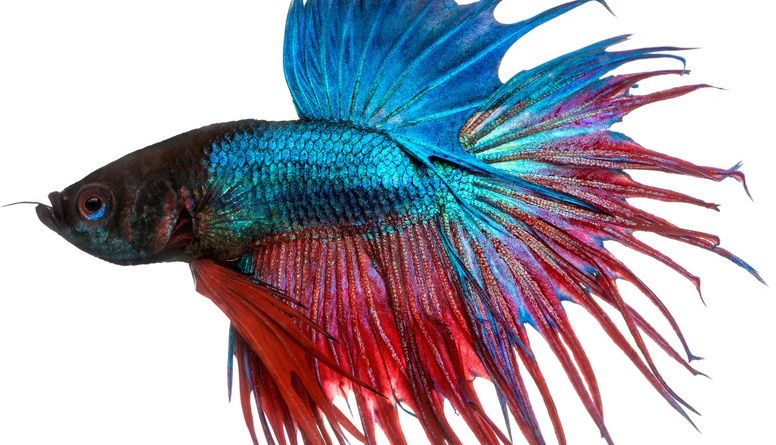
100 million+ pet fish
8.8 million pet reptiles and amphibians
1.5m pet aviary birds
1.3 million poultry/domestic fowl
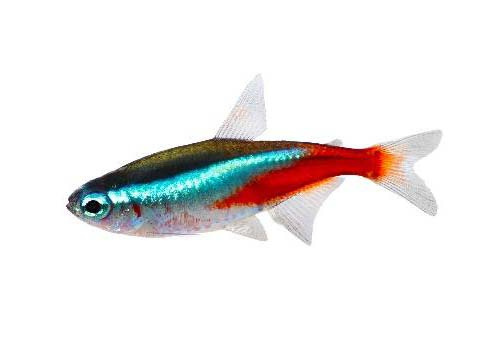
Pets like small mammals, fish, reptiles and birds give people the health benefits, like a strong emotional bond, but within the constraints of busy, modern lives. And if people pick the right pet for their lifestyle it will lead to less pet abandonment
Why is a broad range of pets good?
- Not every pet is for everyone
- People might be allergic to fur
- Landlords might make it difficult for people to have a dog/cat
- Homes or gardens might not be suitable for certain pets
- Long working hours means owners can’t commit to pets with high care needs, like dogs
Let’s focus on educating people to pick the pet that fits their home life and then care for that pet properly. That’s the key to happy and healthy pets, and their owners. Because banning certain pets through positive/permitted lists just won’t work.
Animal keepers
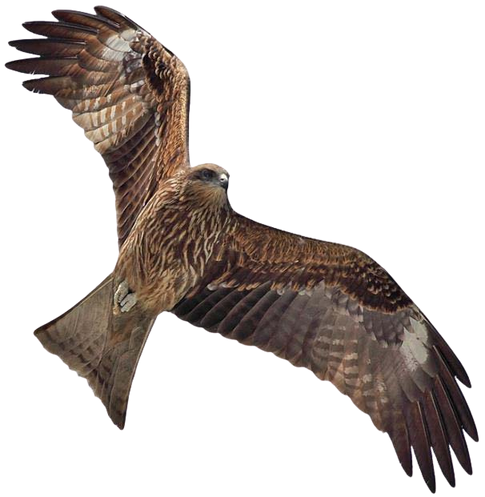
There’s also a range of animal species that are not kept as pets but share a working bond with
their owners, such as birds of prey, which would also be affected by positive list pet bans.
Why pet bans don’t work
Positive/permitted lists seek to limit the animals that we can keep as pets. It’s a
pet ban by another name. But the reality of banning access to certain pets is that it
actually puts the welfare of those animals at greater risk.
- Pet bans don’t stop people owning these pets – it just drives ownershipunderground, leading to worse animal welfare.
- Pet bans mean the animals won’t get taken to the vet when they’re ill – leading to worse animal welfare.
- Pet bans mean owners might feel forced to abandon their pet in the wild – leading to worse animal welfare and a threat to native wildlife.
- Pet bans mean owners can’t get proper access to the right equipment, food and accessories they need to properly care for their pet – leading to worse animal welfare.
- Partial pet bans in different parts of the UK will be very confusing for pet owners and will lead to them unwittingly breaking the law. It will also be very difficult to enforce. The Irish Government for example has ruled out the introduction of a positive list for pets and it did not feature in the English Animal Welfare Strategy.
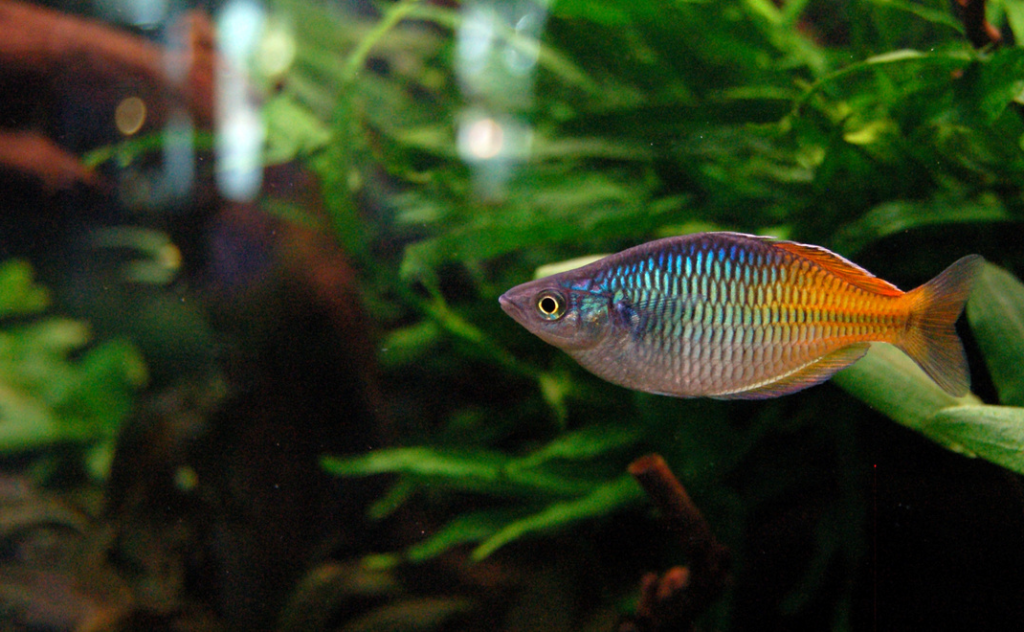
- Pet bans affect conservation – many species bred in captivity are no longer found in the wild, and wild-collected tropical fish for example offer sustainable livelihoods in some of the poorest parts of the world.
- Pet bans are the most draconian legislative measure available – this goes against Better Regulation guidelines that say laws should be proportionate and evidence-based.
Pet bans are unworkable and unenforceable and seek to solve a problem that does not exist. Because these animals are kept in private homes effective detection and enforcement is impossible without a massive commitment of funds and people. There are well-recognised welfare issues among dogs and cats, but no call to ban access to certain breeds as a solution. Instead animal charities call for better owner and breeder education. And we agree. Let’s concentrate on improving welfare for all pets, rather than picking the most draconian legislative measure first.
Better education, not bans, are the key to better welfare for ALL pets.
Failed pet bans across Europe
Belgium
Belgium has a mammal positive list and only allows 47 species to be kept as pets. The ban has been ignored by many owners who simply keep and trade their animals undercover.
Sweden & Norway
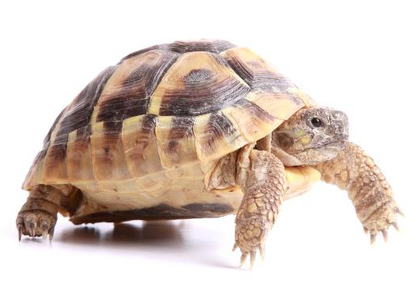
Pet reptiles were banned in Sweden before it joined the EU and lifted the ban. Many pet reptiles then came to light, despite the ban.
Meanwhile in Norway, at the time of the ban on reptile ownership (until August 15th, 2017), there was a very healthy population of around 100,000 pet reptiles, which was acknowledged by the Norwegian Government.
We are a coalition of keeper groups and trade associations which represent the people who keep a wide range of pets and animals, such as reptiles, amphibians, fish, aviary birds (eg canaries, budgerigars, finches),
psittacines (eg parrots), rodents and small mammals, and raptors (eg hawks).
As animal-care specialists we passionately believe that a welfare-led, outcomes-based regulatory framework—focused on raising standards of care, owner knowledge and enforceable welfare benchmarks—is a more
proportionate, ethical, and evidence-based alternative to pet bans.
We call on political parties to:
- Reject calls to ban access to certain pets through positive/permitted lists. Instead focus on better education for ALL pet owners before they buy an animal, for example by including the use of Pet Know How into animal activity licensing guidance. A simple change to the animal activities licensing guidance could make this part of a pet sale.
- Support the sale of animals through licensed pet shops, rather than online. Pet shops are great places to buy pets because businesses that sell animals must meet high levels of animal welfare through licensing conditions. Staff are also required by law to be trained in the species they sell, make care information available, and they talk face to face with customers to educate them on their new pet (eg by using Pet Know How).
- Introduce a licensing and inspection scheme for animal rescue charities as soon as possible. Many rescue centres do fantastic work but it’s long overdue that these organisations should be held to the same animal welfare standards as businesses that sell pets. Welfare needs are the same whichever establishment an animal resides in so rescues should have no problem meeting the same mandatory set of welfare standards for animals in their care, and be licensed and inspected as pet shops are.
- Enshrine in law the advertising standards of the Pet Advertising Advisory Group (www.paag.org.uk)
- Many people buy their pets from online selling sites such as Gumtree, Pets4Homes etc. These sites make getting a pet without doing the proper research beforehand much too easy. Adopting PAAG’s standards into law would help to improve the sale of pets through these online selling sites.
For candidates and political parties
We are happy to talk further about why we need to promote education for owners over pet bans as the best workable solution to happier pets.
Please reach out to Dr Matthew Bond of OATA (matthew@ornamentalfish.org)
or Jim Collins of REPTA (Chairman@repta.org) to arrange an online meeting.
Produced on behalf of:
The Federation of British Herpetologists
The Hawk Board
The National Council of Aviculture
The National Fancy Rat Society
Ornamental Aquatic Trade Association
The Parrot Society
Raptor Breeders UK
Reptile and Exotic Pet Trade Association
Responsible Reptile Keeping
Tropical Fish Keeping UK